
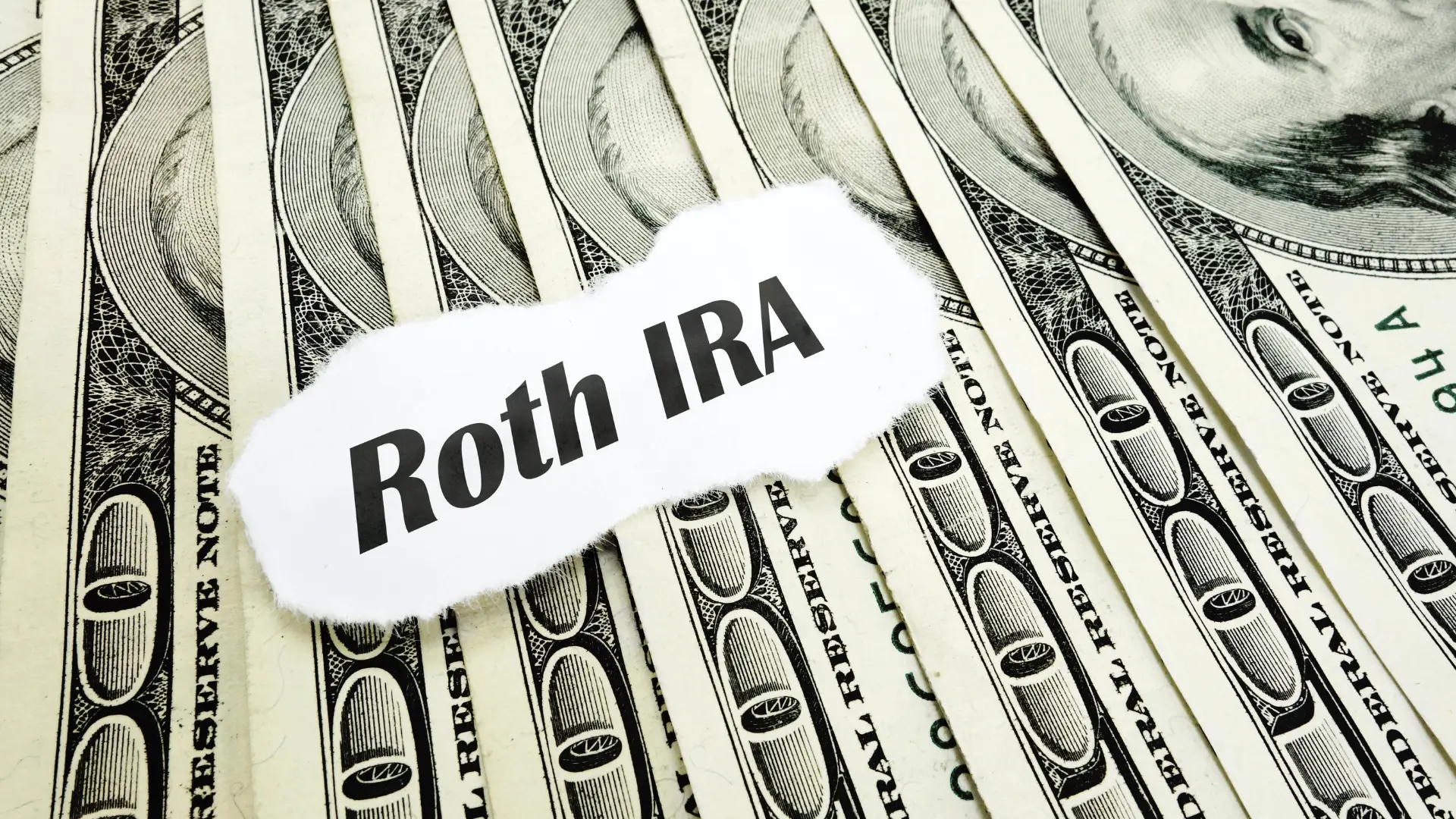
Few retirement planning topics generate more questions than Roth conversions.
Some people view Roth conversions as a powerful tax planning tool.
Others worry about triggering unnecessary taxes.
The truth is that Roth conversions are neither inherently good nor inherently bad.
Like most financial planning decisions, they depend on your circumstances, goals, and overall strategy.
The key is understanding when a Roth conversion may create opportunities and when it may not.
What Is A Roth Conversion?
A Roth conversion occurs when assets are moved from a traditional retirement account into a Roth account.
Common examples include:
-
Traditional IRA to Roth IRA
-
Rollover IRA to Roth IRA
-
Pre-tax retirement assets converted to Roth assets
The amount converted is generally included in taxable income for the year of the conversion.
That is why planning matters.
You are voluntarily paying taxes today in exchange for potential benefits later.
Why Consider A Roth Conversion?
Many investors are attracted to several potential benefits.
Tax-Free Qualified Withdrawals
Qualified Roth distributions are generally tax-free.
For retirees, this may provide additional flexibility when managing future income.
No Lifetime Required Minimum Distributions
Unlike traditional IRAs, Roth IRAs generally do not require lifetime Required Minimum Distributions (RMDs) for the original owner.
This can provide additional control over future withdrawals.
Tax Diversification
Many retirees hold the majority of their savings in tax-deferred accounts.
A Roth account may create another source of retirement income that can potentially be accessed without increasing taxable income.
Legacy Planning Opportunities
For some families, Roth assets may provide additional flexibility as part of a broader estate planning strategy.
When Roth Conversions May Make Sense
There is no universal answer, but conversions are often evaluated during periods when:
Income Is Temporarily Lower
Examples may include:
-
Early retirement years
-
Career transitions
-
Business transitions
-
Years before Social Security begins
Lower income years sometimes create opportunities to convert assets at lower tax rates.
Before Required Minimum Distributions Begin
Many retirees evaluate Roth conversions before RMDs start.
The goal may be to reduce future taxable distributions and create greater retirement income flexibility.
When Future Tax Rates May Be Higher
Some investors believe they may face higher tax rates in the future due to:
-
Increased retirement income
-
RMDs
-
Pension income
-
Legislative changes
A Roth conversion may be evaluated as part of that broader discussion.
For Long-Term Planning
The longer the planning horizon, the more potential time converted assets have to grow within a Roth account.
When Roth Conversions May Not Make Sense
Conversions are not always appropriate.
Potential concerns include:
Higher Current Tax Brackets
A conversion may push income into higher tax brackets.
The immediate tax cost should always be considered.
Medicare Premium Impacts
Higher income may affect Medicare premium calculations.
This is an important consideration for many retirees.
Social Security Taxation
Additional income generated by a conversion may influence the taxation of Social Security benefits.
Cash Flow Considerations
Taxes generated by a conversion often need to be paid from available resources.
Understanding the source of those funds is important.
The Biggest Mistake Investors Make
One of the most common mistakes is viewing Roth conversions as a standalone strategy.
A Roth conversion affects:
-
Retirement income
-
Taxes
-
Medicare premiums
-
Social Security
-
Estate planning
-
Investment management
That is why conversions should be evaluated within the context of a broader financial plan.
Roth Conversions And The Blueprint
At BayRock Financial, Roth conversion analysis is considered as part of The Blueprint.
Because taxes are connected to:
-
Retirement Planning
-
Investment Management
-
Estate Planning
-
Family Stewardship
-
Long-Term Income Planning
The objective is not simply to convert assets.
The objective is to make informed decisions that support long-term goals.
Learn more about .
Questions Worth Asking
If you are considering a Roth conversion, consider discussing:
-
What tax bracket am I currently in?
-
What tax bracket might I be in later?
-
How will a conversion affect Medicare premiums?
-
How will it affect Social Security taxation?
-
What funds will be used to pay the taxes?
-
How does this fit into my retirement plan?
These questions often reveal opportunities as well as tradeoffs.
Final Thoughts
Roth conversions can be powerful planning tools.
But they are not magic.
The value of a conversion depends on how it fits within your overall financial strategy.
The best conversions are often not driven by tax avoidance.
They are driven by thoughtful planning.
Because the goal is not simply to pay less tax this year.
The goal is to create greater flexibility and confidence over the long term.
If you’d like help evaluating whether a Roth conversion may fit into your retirement and tax planning strategy, we’d welcome the opportunity to meet with you.