

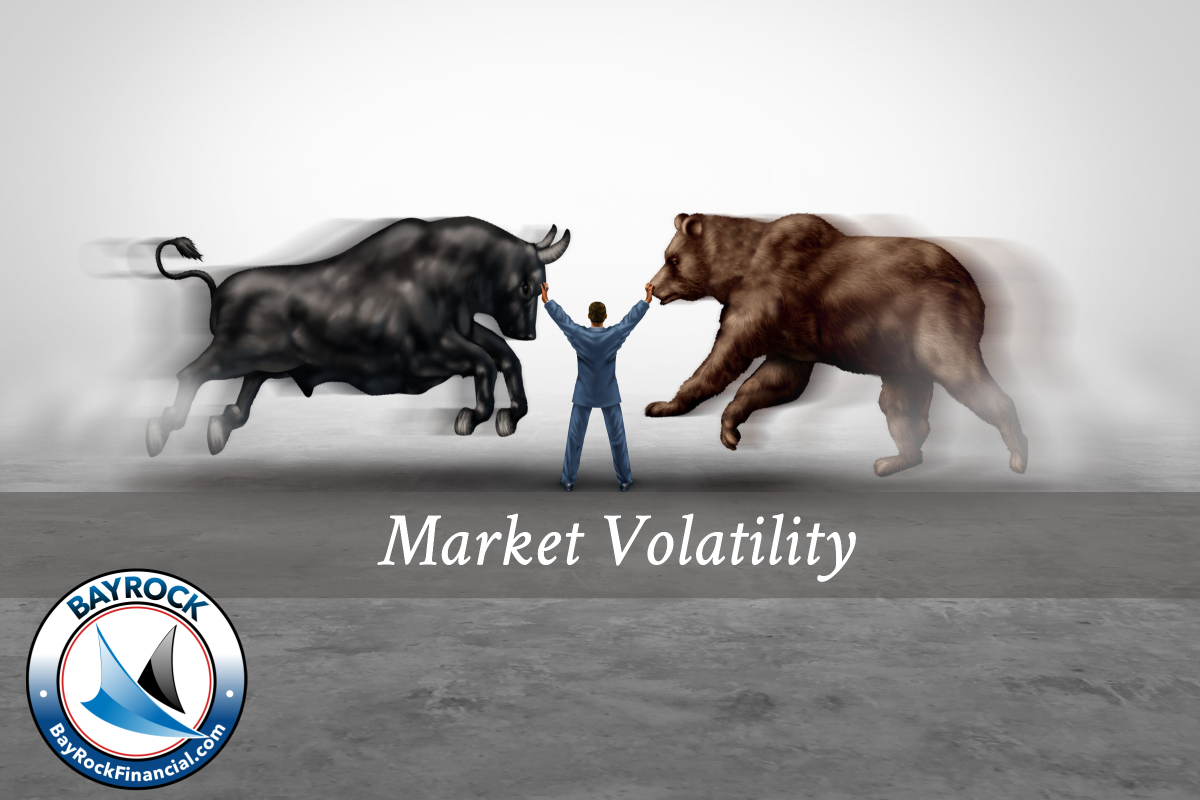
Market Volatility and Portfolio Rebalancing
The S&P 500® Index declined 2.2% on Wednesday, and is down nearly 18% from its peak in February. “Stocks are unlikely to experience a sustained rebound until the pace of new COVID-19 cases begins to slow and there are notable steps toward developing a vaccine,” says Schwab Chief Investment Strategist Liz Ann Sonders.
Some countries that experienced the novel coronavirus earlier than the United States are beginning to reopen their economies, and investors are watching closely to see how those re-openings progress. And President Trump is determined to open the US economy sooner, not later.
Short-term Treasury yields are likely to remain low as investors seek safety and liquidity, says Kathy Jones, Chief Fixed Income Strategist for the Schwab Center for Financial Research. The Federal Reserve has taken unprecedented action in recent weeks to support the economy and provide liquidity to financial markets, which has helped to stabilize fixed income markets, according to Kathy.
“Fiscal and monetary policy are providing support for most bond markets—particularly investment-grade corporate bonds and short-term municipal bonds,” Kathy says. “The Fed’s purchases of corporate bonds has helped bring yields down from peak levels and opened the door to new issuance. Direct grants to states along with Fed’s purchases are positive for the municipal bond market—although there is a good chance more will need to be done.”
What Wise Investors Can Do
The global downturn has been sharp, but it may also be short according to many experts.
A steep decline is painful, but a decline of almost any amount can be handled by a long-term investor if it doesn’t last for a long period of time. The 2000–2002 and 2007–2009 bear markets were lengthy in addition to being deep.
Here Are A Few Steps All Investors Can Consider During Market Volatility:
Resist the urge to sell based solely on recent market movements.
- Selling stocks when markets drop can make temporary losses permanent. Staying the course, while this can be difficult emotionally, can be healthier for your portfolio. If you do need to sell, there are steps we can take to help minimize the negative impact on your portfolio, including rebalancing and tax-loss harvesting.
Revisit your risk tolerance and re-evaluate the amount of risk you have in your portfolio today.
- If market volatility has made you uncomfortable or if you will need money from your portfolio soon, make sure the amount you have invested in riskier assets, like stocks, isn’t too high.
- This is especially important for investors who are or soon will be taking distributions from their portfolios, especially retirees or people who are close to retirement.
Make sure your portfolio is well diversified with good asset allocation.
- Market volatility underscores the importance of having a portfolio that contains a variety of asset classes, including stocks and bonds, balanced in a way that reflects your risk tolerance and investment horizon.
Rebalance your portfolio now.
- Market volatility can skew your asset allocation, changing it dramatically from its original target. Over time, assets that have gained in value will account for more of your portfolio, while those that have declined will account for less.
- Rebalancing means selling some of your outperformers and moving the proceeds to positions that have become underweight.
- Portfolio Rebalancing is one of the four investment strategies that can help you maximize returns while minimizing risk.
It’s a good idea to rebalance your portfolio periodically to bring it back to your original asset allocation targets (BayRock offers a Portfolio Checkup tool to help with this – simply go to KnowRiskInvesting.com).


